
Administrative Exempt Employee Classification in California: How It Works and What Happens if Your Employer Gets It Wrong

Being paid a salary does not automatically make an employee administratively exempt in California. Learn how the administrative exemption works and what an employee may recover if the employer got the classification wrong.
Continue ReadingAdministrative Exempt Employee Classification in California: How It Works and What Happens if Your Employer Gets It Wrong
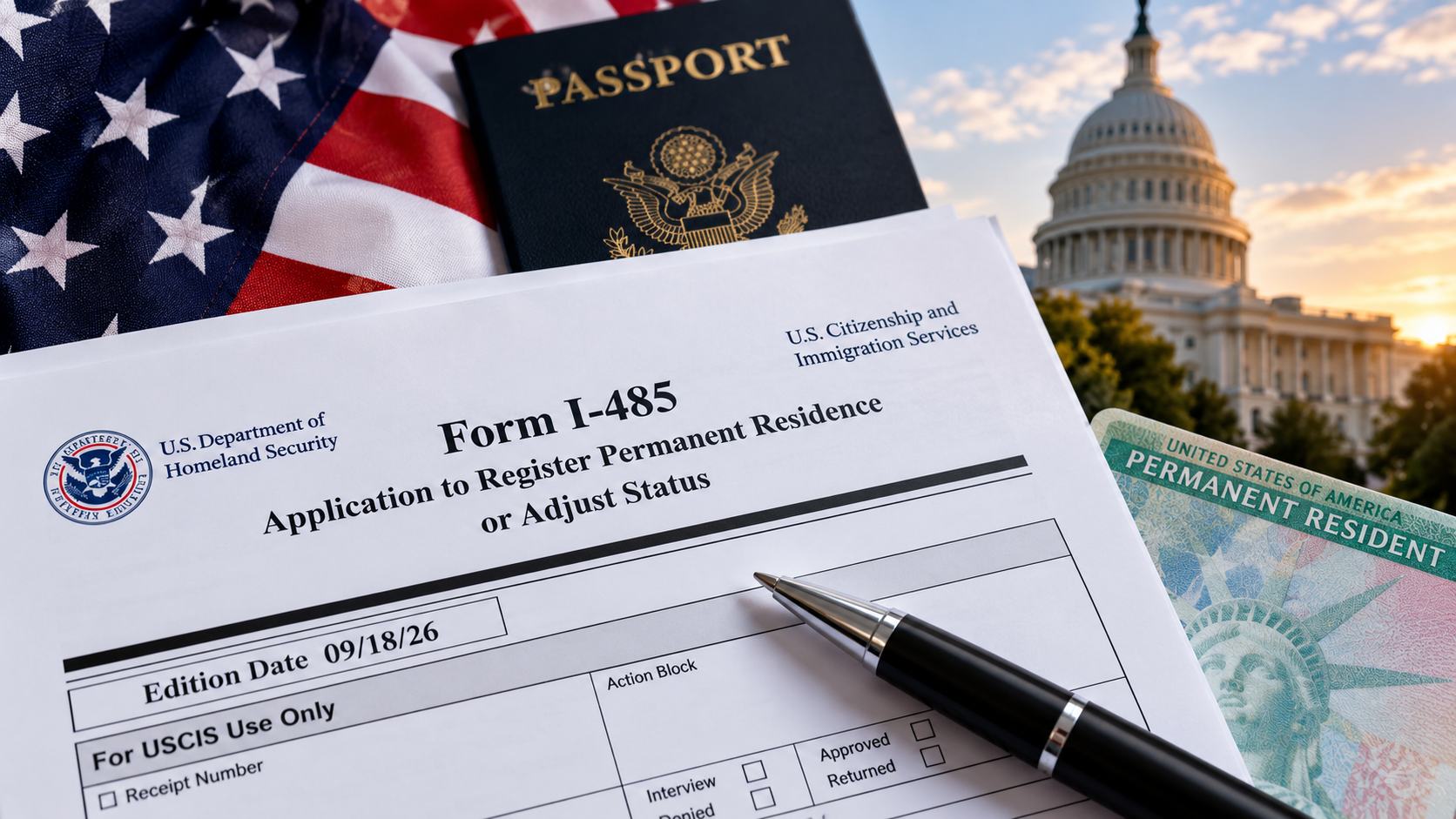
Read more about the article Adjustment of Status After September 18, 2026: What Changed?
USCIS introduced important adjustment of status changes effective September 18, 2026, including a new Form I-485 edition and updated public-charge rules.

Adjustment of Status After September 18, 2026: What Changed?

Major adjustment of status changes took effect on September 18, 2026, including a new Form I-485 edition and updated public-charge rules. Learn what changed, what USCIS now requires, and what applicants should know before filing.

Continue ReadingAdjustment of Status After September 18, 2026: What Changed?
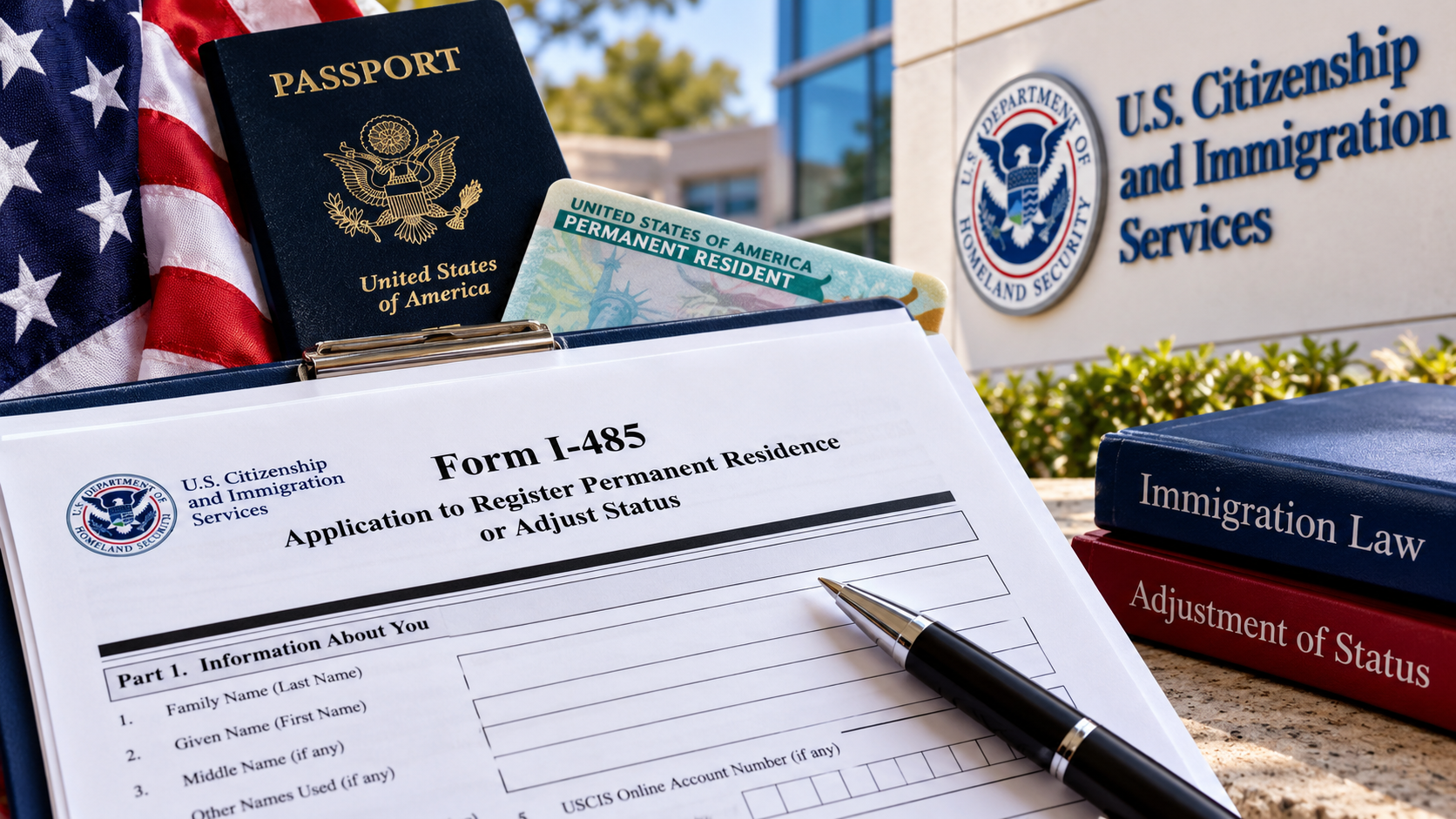
Read more about the article Adjustment of Status Trends in 2026: What We Are Seeing at USCIS
Adjustment of status trends in 2026 include changes in USCIS processing, Form I-485 filing requirements, public-charge rules, and case review procedures.

Adjustment of Status Trends in 2026: What We Are Seeing at USCIS

Adjustment of status is changing in 2026. Family-based I-485 cases are moving faster nationally, but new public-charge rules, stricter filing requirements, and USCIS enforcement policies make careful case preparation increasingly important.

Continue ReadingAdjustment of Status Trends in 2026: What We Are Seeing at USCIS