Adjustment of status is changing in 2026. Family-based I-485 cases...
Read MoreIMMIGRATION LAW / RESOURCE GUIDE
Eligibility, Forms, and the Process
The Naturalization Guide
A practical guide to understanding who may qualify, what may create problems, and what happens during the application process.
Written and legally reviewed by:
Gabriel Sandoval, Attorney at Law
GS LAW, APC
Last reviewed: August 2, 2026
Disclaimer: This guide is provided for general informational purposes only and does not constitute legal advice. Immigration laws and policies change frequently. For advice about your specific situation, consult a qualified immigration attorney.
IN THIS GUIDE
- What Is Naturalization?
- Who May Qualify?
- Eligibility Requirements
- The 5-Year and 3-Year Rules
- Travel, Residence and Physical Presence
- Good Moral Character
- The English and Civics Requirements
- Form N-400 and Evidence
- The Naturalization Process
- The Naturalization Interview
- The Oath and Becoming a Citizen
- Frequently Asked Questions
- Do You Need an Attorney?
Our Recent Immigration Law Articles

Fiancé Visa Versus Marriage Visa: Which One is Right for You?
Deciding between a fiancé visa (K-1) and a marriage visa...
Read More
DACA Renewal: Act Now Before Policies Change
Don’t wait to renew your DACA. With potential policy changes...
Read More1. What Is Naturalization?
Naturalization is the legal process through which an eligible lawful permanent resident becomes a United States citizen. For most applicants, the process begins with Form N-400, Application for Naturalization, and ends when the applicant takes the Oath of Allegiance. A person is not a naturalized U.S. citizen merely because USCIS approves the N-400—the applicant must complete the oath ceremony.
From Permanent Resident
A lawful permanent resident may qualify for naturalization after satisfying the required period of permanent residence and meeting the other requirements imposed by U.S. immigration law.
To U.S. Citizen
Naturalization provides the individual with U.S. citizenship and the rights and responsibilities that come with it, including eligibility to vote in federal elections and obtain a U.S. passport.
Important
Having a Green Card long enough does not automatically make someone eligible for naturalization. USCIS reviews the applicant's immigration history, travel, criminal history, good moral character, and other eligibility requirements.
2. Who May Qualify?
5-Year Permanent Resident
The most common path to naturalization is available to an applicant who has been a lawful permanent resident for at least five years and satisfies the other naturalization requirements.
Married to a U.S. Citizen
Certain permanent residents may qualify after three years instead of five if they have been married to and living in marital union with a U.S. citizen and meet the additional requirements applicable to this provision.
Military Service
Special naturalization provisions exist for certain current and former members of the United States armed forces. The eligibility requirements can differ considerably from ordinary civilian naturalization.
Special Circumstances
Additional naturalization provisions exist for certain spouses of U.S. citizens working abroad and other limited categories.
3. Eligibility Requirements
18 or Older
Most applicants must be at least 18 years old when Form N-400 is filed.
Permanent Residence
The applicant generally must have been lawfully admitted for permanent residence and maintained that status.
Continuous Residence
The applicant must satisfy the applicable continuous-residence requirement.
Physical Presence
A standard five-year applicant generally must have been physically present in the United States for at least 30 months of the relevant five-year period.
Good Moral Character
Applicants must demonstrate good moral character during the applicable statutory period and through naturalization.
English & Civics
Unless an exception applies, applicants must demonstrate English ability and knowledge of U.S. history and government.
4. The 5-Year Rule and the 3-Year Rules
The most common way to remove the conditions on permanent residence is for the conditional permanent resident and the spouse through whom residence was obtained to file Form I-751 together. A joint petition is generally appropriate when the marriage is continuing and both spouses are willing to participate in the removal-of-conditions process.
5-Year Rule
Who: Most lawful permanent residents
- Permanent Residence: Generally 5 years
- Continuous Residence: 5 years
- Physical Presence: Generally at least 30 months
- Marriage Required: No
- Early Filing: Potentially up to 90 days before completing the continuous-resdidence period
3-Year Marriage Rule
Who: Certain LPRs married to U.S. Citizens
- Permanent Residence: Generally 3 years
- Continuous Residence: 3 years
- Physical Presence: Generally at least 18 months
- Marriage Required: Special marriage and marital-union requirements apply
- Early Filing: Potentially up to 90 days before completing the continuous-resdidence period
5. Travel, Continuous Residence and Physical Presence
International travel can affect naturalization eligibility in two different ways: continuous residence and physical presence. These requirements are related, but they are not the same. An applicant who travels frequently or spends extended periods outside the United States should carefully review the entire travel history before filing Form N-400.
Physical Presence
Counts the actual amount of time the applicant was physically inside the United States.
Continuous Residence
Looks at whether the United States remained the applicant's principal residence during the required statutory period.
Extended Trips Abroad
Long absences can create significant naturalization problems and, depending upon the length and circumstances, can disrupt continuous residence.
Frequent Traveler?
Do not simply count the years since the Green Card was issued. Applicants with extended or frequent international travel should calculate both continuous residence and actual physical presence before filing.
How to Calculate Continuous Residence & Physical Presence
These are related but different tests. Applicants often confuse them. Use the steps below to evaluate your eligibility accurately.
Continuous Residence
- Ideally whether the 5-year or 3-year rule applies
- List every trip outside the United States during the statutory period.
- Review the length of each absense.
Trips under 6 months usually do not disrupt continuous residence.
Trips over 6 months but under 1 year can create a problem.
Trips of 1 year or more generally break continuous residence.
Physical Presence
- Determine the relevant lookback period.
- Count the total time actually spent inside the United States.
- Compare the result to the required minimum.
5-year applicants generally need 30 months (913 days).
3-year applicants generally need 18 months (548 days).
6. Good Moral Character
Naturalization requires an applicant to demonstrate good moral character during the applicable statutory period. USCIS may also consider conduct outside that period when evaluating whether the applicant presently satisfies the requirement.
PROCEED WITH CAUTION
Filing Form N-400 can cause USCIS to closely review your criminal history, taxes, prior statements, prior immigration history, and other conduct that may impact your good moral character. In some situations, filing may expose you to serious immigration consequences, including possible denial of your application or even allegations that you are removable or deportable. Great caution should be taken before filing where moral-character issues are present.
Arrests & Criminal History
Arrests, citations, charges, convictions, probation, and certain other encounters with law enforcement should be carefully reviewed before filing.
Taxes
Failure to properly file or pay required taxes may affect the good-moral-character determination.
Child Support
Failure to comply with child-support obligations can create naturalization issues.
False Statements
Providing false testimony or inaccurate information to obtain an immigration benefit can have serious consequences.
Selective Service
Certain applicants should review whether they were required to register and, if so, whether they complied.
Prior Immigration History
USCIS may examine how permanent residence was obtained and information provided in earlier immigration applications.
7. The English & Civics Requirements
Unless an exception applies, all naturalization applicants must demonstrate the ability to speak, read, write, and understand basic English and demonstrate knowledge of U.S. history and government. The test helps ensure that new citizens can participate in our democracy and understand the responsibilities of citizenship.
English
USCIS generally evaluates the applicant's ability to speak, read, write, and understand basic English.
Civics
Applicants are tested on knowledge of U.S. history and government through the civics test.
Exceptions
Age, length of permanent residence, and qualifying disabilities may affect the testing requirements.
English -Language Exceptions (Age & Residency)
If you are age 50 or older and have been a lawful permanent resident for the required period, you may be eligible for an exception from the English-language requirement.
50/20 Rule
Age 50 or older and have been a permanent resident for at least 20 years
55/15 Rule
Age 55 or older and have been a permanent resident for at least 15 years
65/20 Rule
Age 65 or older and have been a permanent resident for at least 20 years.
Medical Disability Exception - Form N-648
Certain applicants who cannot satisfy the English and/or civics requirements because of a qualifying physical or developmental disability or mental impairment may seek an exception under the medical-disability provisions. Evidence must be provided on Form N-648 completed by a licensed medical professional.
8. Form N-400 and Evidence
The N-400 is the application used to request Naturalization as a U.S. citizen. You must include the required fee and supporting documents.
Form N-400, Application for Naturalization
Used by eligible lawful permanent residents to request U.S. citizenship through naturalization. USCIS reviews your eligibility and supporting evidence before approving your application.
Common Evidence May Include:
- Permanent Resident Card (Green Card)
- Marriage certificate (if applicable)
- Evidence of U.S. citizenship of spouse
- Travel history outside the U.S.
- Tax returns and tax transcripts
- Criminal history records (if any)
- Child support documents (if applicable)
- Selective Service registration (if applicable)
- Proof of residence and employment
- Any other requested documents
9. The Naturalization Process
1.
Determine Eligibility
Review the requirements and confirm you qualify.
2.
Prepare Form N-400
Complete the application and gather supporting evidence.
3.
File with USCIS
Submit your application, fee, and documents.
4.
Biometrics & Background Checks
USCIS collects your biometrics and conducts background checks.
5.
Naturalization Interview
Attend your interview and complete the citizenship test.
6.
USCIS Decision
USCIS will approve, request more evidence, or deny your application.
7.
Oath Ceremony
Take the Oath of Allegiance and become a U.S. citizen!
10. The Naturalization Interview

During the interview, a USCIS officer will review your Form N-400, verify your eligibility, and ask questions about your application, immigration history, and background. Unless an exception applies, you will also take the English and civics test.
Bring all original documents and a valid photo ID to your interview.
11. The Oath and Becoming a Citizen
Approval of your N-400 is not the final step. You must take the Oath of Allegiance at a Naturalization ceremony. After the oath, you will receive your Certificate of Naturalization.
Take the Oath of Allegiance
Receive Your Certificate
Apply for Your U.S. Passport
Enjoy the Rights & Responsibilities
12. Frequently Asked Questions
Form I-751 raises many practical questions about marriage, divorce, processing delays, interviews, expired Green Cards, and what happens while the petition remains pending. The answers below address some of the most common questions conditional permanent residents have about removing the conditions on their residence and maintaining permanent resident status during the process.
Can I file Form N-400 before I reach my 3-year or 5-year anniversary?
Yes, in many cases. USCIS permits qualifying applicants to file Form N-400 up to 90 calendar days before completing the applicable three-year or five-year continuous-residence requirement. The 90-day rule does not eliminate the other eligibility requirements, however, and filing even slightly too early can create a problem. USCIS provides an Early Filing Calculator for determining the earliest filing date.
Can I apply for naturalization if my Green Card is expired or about to expire?
An expired Green Card does not, by itself, mean that lawful permanent resident status has expired. When a qualifying applicant properly files Form N-400, the N-400 receipt notice generally extends the validity of the Green Card for 24 months beyond the expiration date printed on the card when presented together with the expired card. Depending on the circumstances, however, an applicant may still need to file Form I-90 to obtain updated evidence of permanent resident status.
Can I apply for naturalization while my Form I-751 is still pending?
Yes, if you are otherwise eligible to naturalize. A conditional permanent resident may file Form N-400 while Form I-751, Petition to Remove Conditions on Residence, remains pending. However, USCIS cannot approve naturalization until the conditions on permanent residence have been removed. USCIS generally adjudicates the I-751 before or at the same time as the N-400.
Can I travel outside the United States after filing Form N-400?
Generally, filing an N-400 does not prevent a lawful permanent resident from traveling internationally. However, travel after filing can still matter. Applicants must continue to satisfy the applicable naturalization requirements, and extended travel can create continuous-residence problems. Applicants must also appear for required USCIS appointments, including the naturalization interview.
What happens if I move after filing my N-400?
You should promptly update your address with USCIS. Permanent residents generally must report a change of address to USCIS within 10 days of moving. Updating the address is particularly important during naturalization because interview notices, requests for evidence, and other USCIS correspondence may be sent while the application is pending.
Can I apply for citizenship if I owe taxes?
Owing taxes does not automatically mean that an applicant cannot naturalize, but tax problems can affect the good-moral-character determination. Form N-400 specifically asks about overdue federal, state, and local taxes. USCIS instructions also require applicants with overdue taxes to provide documentation concerning the tax debt and, where applicable, evidence of a payment agreement and compliance with that agreement.
Can I become a U.S. citizen if I have been arrested or convicted of a crime?
Possibly. An arrest or conviction does not automatically prevent naturalization in every case, but criminal history can have serious immigration consequences. Certain offenses can prevent an applicant from establishing good moral character, while certain convictions can create permanent barriers to naturalization. Anyone with a criminal history should carefully evaluate the immigration consequences before filing Form N-400.
Do I have to disclose an arrest or conviction that was dismissed, sealed, or expunged?
Yes. Form N-400 requires applicants to disclose criminal history even where records have been sealed, expunged, set aside, or otherwise cleared. USCIS may also require certified court records concerning arrests and criminal proceedings. Applicants should not assume that a criminal matter can be omitted merely because it no longer appears on an ordinary background check.
What happens if I fail the English or civics test?
An applicant who fails part of the naturalization test at the initial examination ordinarily receives a second opportunity to take the portion that was failed. USCIS generally schedules the second examination between 60 and 90 days after the initial interview. If the applicant fails the required testing again at the second examination, USCIS may deny Form N-400.
Can I take the naturalization test in Spanish?
Some applicants can. An applicant who qualifies for the 50/20 exception—age 50 or older with at least 20 years as a permanent resident—or the 55/15 exception may be exempt from the English-language requirement and take the civics examination in the applicant’s preferred language with an interpreter. Applicants who satisfy the 65/20 rule receive additional special consideration for the civics examination.
Can I change my name when I become a U.S. citizen?
In some circumstances, yes. An applicant may request a legal name change as part of naturalization when the oath ceremony is conducted by a court with authority to grant the name change. Because not every naturalization ceremony is judicial, requesting a name change can sometimes affect how and when the oath ceremony occurs.
Will my child automatically become a U.S. citizen when I naturalize?
Possibly. Under current law, a child may automatically acquire U.S. citizenship through a naturalized parent if the statutory requirements are satisfied before the child turns 18. Among other requirements, the child generally must be a lawful permanent resident residing in the United States in the legal and physical custody of the U.S. citizen parent. The child’s individual circumstances should be reviewed rather than assuming that citizenship automatically occurred.
What happens if I divorce, separate, or my U.S. citizen spouse dies while I am applying under the 3-year rule?
This can directly affect eligibility. Naturalization under the three-year marriage provision generally requires the applicant to remain the qualifying spouse of the U.S. citizen through the Oath of Allegiance, and the marital-union requirements must also be satisfied. Divorce or the death of the U.S. citizen spouse before naturalization generally prevents approval under that particular three-year provision, although the applicant may later qualify under the ordinary five-year rule.
Can USCIS review how I originally obtained my Green Card?
Yes. Naturalization requires more than simply showing that a Green Card was issued. USCIS must determine that the applicant was lawfully admitted for permanent residence. USCIS policy specifically recognizes that an applicant may be ineligible for naturalization if permanent resident status was obtained unlawfully or was granted in error, even where the original problem did not involve intentional fraud. Applicants with concerns about a prior immigration case should consider having their history reviewed before filing N-400.
What can I do if USCIS denies my Form N-400?
A denial does not necessarily end the matter. An applicant may generally request a new hearing before a USCIS immigration officer by filing Form N-336, Request for a Hearing on a Decision in Naturalization Proceedings. USCIS states that Form N-336 generally must be filed within 30 calendar days after receiving the denial, or within 33 days when the decision was mailed. Because these deadlines are short, a denial should be reviewed promptly.
13. Do You Need an Attorney?
An applicant is not required to have an attorney to file Form N-400, and many straightforward naturalization cases can be completed without legal representation. However, naturalization is also an opportunity for USCIS to closely examine the applicant’s criminal history, travel, taxes, prior immigration filings, and whether permanent residence was lawfully obtained. Certain problems may result in more than simply a denied application and can, in some circumstances, expose an applicant to removal proceedings. For that reason, applicants with potentially serious issues should carefully evaluate the risks before filing.
Legal assistance may be particularly important when:
- You have ever been arrested, cited, charged with, or convicted of a crime—even if the case was dismissed, expunged, or occurred many years ago;
- You are concerned that a criminal conviction or other conduct could make you deportable or removable;
- There are questions about whether you lawfully obtained your Green Card;
- You previously gave incorrect, incomplete, or inconsistent information to USCIS, a consulate, or another immigration agency;
- You have spent significant periods outside the United States or have taken trips lasting six months or longer;
- You failed to file required tax returns, owe significant taxes, or have unresolved tax issues;
- You have child-support problems or possible Selective Service registration issues;
- You are applying under the three-year marriage rule and have separated from or divorced your U.S. citizen spouse;
- Your Form I-751 remains pending;
- You have previously been placed in removal or deportation proceedings, received a removal order, or had other serious immigration problems;
- USCIS has requested additional evidence or raised concerns during your naturalization interview;
- Your Form N-400 has been denied; or
- You are uncertain whether filing for naturalization could expose an immigration problem that has not previously been addressed.
USCIS evaluates good moral character as part of naturalization, and certain criminal conduct can create temporary or permanent barriers to establishing that requirement.
How Can an Immigration Attorney Help?
An immigration attorney can review the applicant’s entire immigration history before Form N-400 is filed, including how permanent residence was obtained, prior applications and petitions, international travel, criminal history, taxes, family circumstances, and other matters that may affect eligibility. This type of review can be particularly important where filing an application could cause USCIS to identify an issue that was never previously resolved.
Counsel can also determine whether the applicant qualifies under the three-year or five-year rule, calculate residence and physical-presence requirements, prepare the N-400 and supporting evidence, address potentially damaging facts, and prepare the applicant for the naturalization interview. USCIS permits applicants to have an attorney or other authorized representative present during the naturalization interview.
If USCIS raises an eligibility issue, requests additional documentation, or denies the N-400, an attorney can evaluate the government’s position and determine the appropriate response. A denied applicant may generally request a new hearing by filing Form N-336, subject to a short filing deadline.
About the Author
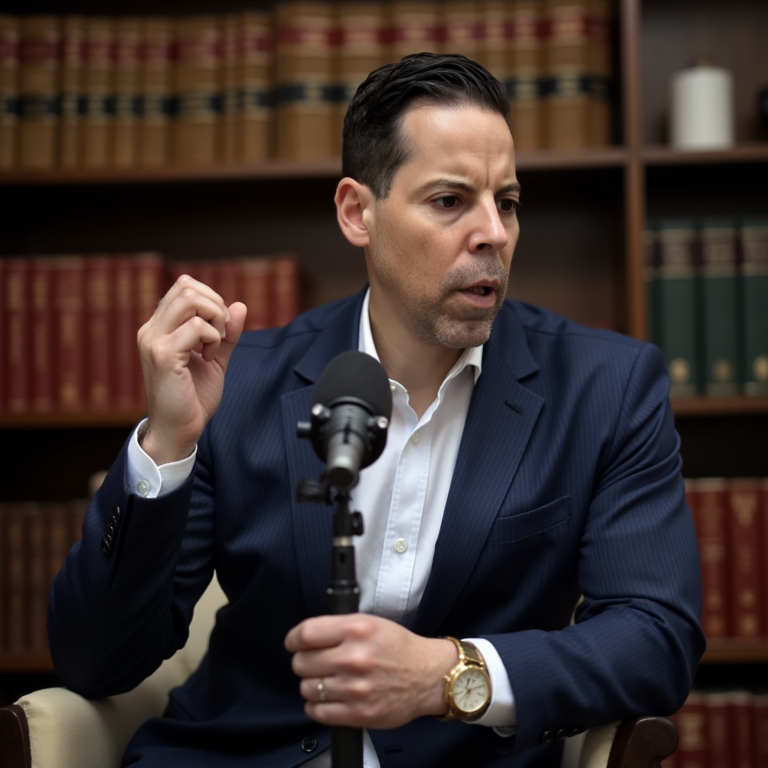
Gabriel Sandoval, Esq.
Owner
GS LAW, APC
Gabriel Sandoval is an immigration attorney with more than 10 years of experience helping individuals and families obtain legal permanent residence in the United States
Questions About Your Family Petition?
We’re here to help you understand your options and build the strongest case possible