Adjustment of status is changing in 2026. Family-based I-485 cases...
Read MoreIMMIGRATION LAW / RESOURCE GUIDE
The Complete Guide to Form I-129F, Petition for Alien Fiancé(e) (K-1 Visa)
Eligibility, Forms, and the Process
A practical guide to understanding who may qualify, what may create problems, and what happens during the application process.
Written and legally reviewed by:
Gabriel Sandoval, Attorney at Law
GS LAW, APC
Last reviewed: August 2, 2026
Disclaimer: This guide is provided for general informational purposes only and does not constitute legal advice. Immigration laws and policies change frequently. For advice about your specific situation, consult a qualified immigration attorney.
IN THIS GUIDE
Our Recent Immigration Law Articles

Fiancé Visa Versus Marriage Visa: Which One is Right for You?
Deciding between a fiancé visa (K-1) and a marriage visa...
Read More
DACA Renewal: Act Now Before Policies Change
Don’t wait to renew your DACA. With potential policy changes...
Read More1. What Is Form I-129F?
Form I-129F, Petition for Alien Fiancé(e), is the application that allows a U.S. Citizen to ask USCIS for permission to bring a foreign fiancé(e) to the United States for the purpose of marriage.
The petition itself does not grant a visa and does not provide lawful permanent residence (a green card). Instead, approval of the I-129F allows the foreign fiancé(e) to continue with the K-1 visa application through a U.S. embassy or consulate abroad. Once the K-1 visa is issued, the fiancé(e) may travel to the United States.
After entering the country, the couple must marry within 90 days of the fiancé(e)’s arrival. If the marriage takes place within that period, the foreign spouse may generally apply for Adjustment of Status to become a lawful permanent resident.
Because the K-1 visa is intended solely for couples who genuinely intend to marry, USCIS carefully reviews each petition to verify that the relationship is legitimate and that both parties satisfy the legal requirements.
What Does Form I-129F Do?
The petition allows USCIS to determine whether:
- The petitioner is a U.S. citizen.
- The couple has a qualifying relationship.
- Both parties are legally free to marry.
- The couple intends to marry within 90 days after the fiancé(e) enters the United States.
- The couple has generally met in person during the two years before filing, unless a legal exception applies.
- The petition satisfies all statutory requirements.
Approval of the petition does not automatically result in a visa. Additional processing occurs through the Department of State before the fiancé(e) may travel to the United States.
What the I-129F Petition Does Not Do
Many people mistakenly believe that filing Form I-129F immediately gives their fiancé(e) permission to come to the United States or permanently live here. That is not how the process works.
The petition does not:
- Grant lawful permanent residence.
- Provide a work permit.
- Allow the fiancé(e) to immediately enter the United States.
- Guarantee approval of a K-1 visa.
- Eliminate the requirement for an embassy interview.
- Replace the need for Adjustment of Status after marriage.
Instead, the I-129F petition simply begins the immigration process.
2. Who Can File an I-129F Petition?
Not everyone is eligible to file a K-1 fiancé(e) petition. Before preparing Form I-129F, it is important to determine whether you satisfy the legal requirements established by U.S. immigration law. The following are the primary qualifications that a petitioner must meet before USCIS may approve the petition.
U.S. Citizen Petitioner
You must be a U.S. citizen. Lawful permanent residents are not eligible to file Form I-129F.
In Person Meeting Required
You must generally have met your fiancé(e) in person within the two years before filing.
Free to Marry
Both you and your fiancé(e) must be legally free to marry, with any prior marriages legally terminated.
Intent to Marry
Both parties must intend to marry within 90 days after the fiancé(e) enters the United States.
No Disqualifying Criminal History
Certain criminal convictions may affect eligibility and require additional review.
3. Who Can Be the Beneficiary?
Just as the petitioner must meet certain legal requirements, the foreign fiancé(e) must also qualify for a K-1 visa. USCIS and the U.S. Department of State will review the beneficiary’s eligibility to ensure the relationship is legitimate and that all legal requirements have been satisfied before a visa may be issued.
Your fiancé(e) must satisfy several legal requirements.
- Legally Free to Marry. Both you and your fiancé(e) must be legally able to marry. Any prior marriages must have been legally terminated by divorce, annulment, or death.
- Not Currently Married. The beneficiary must be unmarried at the time the petition is filed. A K-1 visa is available only to engaged couples.
- Admissible to the United States. The beneficiary must generally be admissible under U.S. immigration law. Certain criminal convictions, immigration violations, or other grounds of inadmissibility may require additional review or a waiver.
- Genuine Relationship. USCIS must be satisfied that the relationship is legitimate and that both parties intend to establish a life together—not enter into the engagement solely for immigration purposes.
- Intends to Marry Within 90 Days. The beneficiary must intend to marry the petitioner within 90 days of entering the United States on the K-1 visa.
4. How the K-1 Visa Process Works
The K-1 visa process involves several agencies and multiple stages, beginning with the filing of Form I-129F and ending with the foreign fiancé(e) becoming eligible to apply for permanent residence after marriage. Understanding each step of the process can help you prepare the required documentation, anticipate what comes next, and avoid unnecessary delays. The timeline below provides a general overview of the K-1 visa process from start to finish.
Agencies Involved in the Process
- U.S. Citizenship and Immigration Services (USCIS)
- National Visa Center (NVC)
- U.S. Embassy
File I-129F
You submit the petition and evidence with USCIS.
Receipt Notice
USCIS sends a Receipt Notice with your receipt number.
USCIS Review
USCIS reviews the petition and supporting evidence and may request additional information if needed.
Approval
If approved, USCIS sends the petition to the National Visa Center (NVC).
NVC Transfer
NVC fowards the case to the U.S. embassy or consulate.
Embassy Process
Fiancé completes the DS-160, pays fees, attends the interview and gets the K-1 visa.
Travel to U.S.
The fiancé(e) travels to the United States using the K-1 visa.
Marriage
The couple must marry within 90 days of the fiancé(e)’s admission to the United States.
5. Required Forms and Documents
A successful I-129F petition requires more than completing the application form. The petitioner must submit documents establishing U.S. citizenship, the couple’s eligibility to marry, their in-person meeting, and the genuine nature of the relationship. Providing organized and complete evidence can reduce the likelihood of delays or a Request for Evidence from USCIS.
Form I-129F, Petition for Alien Fiancé
Form I-129F must be completed accurately, signed by the U.S. citizen petitioner, and filed with the required supporting documents and filing fee. The form requests information about both parties, including prior marriages, previous fiancé(e) petitions, criminal history, and the circumstances of the relationship. Review the entire form carefully because unanswered questions, inconsistent information, or missing documents may delay the case.
Proof of U.S. Citizenship
Only a U.S. citizen may petition for a K-1 fiancé(e). The petitioner may establish citizenship with a copy of a valid U.S. passport, U.S. birth certificate, Certificate of Naturalization, Certificate of Citizenship, or Consular Report of Birth Abroad. Lawful permanent residents cannot file Form I-129F for a fiancé(e).
Proof of Meeting in Person
The couple must generally prove that they met in person during the two years immediately before filing Form I-129F. Evidence may include airline itineraries, boarding passes, passport stamps, hotel or lodging records, photographs together, restaurant or activity receipts, and affidavits from people with personal knowledge of the meeting.
USCIS may waive the in-person meeting requirement when meeting would cause extreme hardship to the U.S. citizen petitioner or would violate strict and long-established cultural or social customs. These exceptions are narrowly applied and should be supported by detailed documentation.
Evidence of Ongoing Relationship
The petition should include evidence showing that the relationship continued after the couple met. Examples include text messages, emails, telephone or video-call records, social-media communications, photographs, travel records, cards, letters, money-transfer records, and affidavits from relatives or friends familiar with the relationship.
Some couples may not have extensive documentation when the petition is first filed. That does not necessarily mean the relationship is invalid. However, the couple should continue communicating and preserving evidence throughout the process because USCIS may issue a Request for Evidence, and updated relationship evidence may also be requested during the visa interview.
Proof of Eligibility to Marry
Both the petitioner and beneficiary must be legally free to marry when the I-129F petition is filed. If either party was previously married, the petition should include proof that every prior marriage was legally terminated.
Acceptable documentation may include final divorce judgments, annulment orders, or death certificates for deceased spouses. Foreign-language records must be accompanied by complete English translations and translator certifications.
Criminal History Documents
Certain criminal convictions can affect the petitioner’s eligibility or require additional review. Convictions involving specified offenses against minors may prevent USCIS from approving the petition unless USCIS determines that the petitioner poses no risk to the beneficiary. Other offenses, including certain domestic-violence, sexual-assault, abuse, stalking, and substance-related crimes, may be subject to disclosure requirements under federal law.
A petitioner with any arrest or conviction history should consider submitting certified police reports, charging documents, court records, and final dispositions showing how each matter was resolved. Even when an incident does not appear disqualifying, providing complete records may help avoid a later request from USCIS and allow the agency to properly evaluate the case.
6. Common Issues That Delay Aproval
Even when a couple qualifies for a K-1 visa, problems with the petition can result in rejection, a Request for Evidence, or a longer review. Many delays are caused by incomplete forms, missing documents, insufficient relationship evidence, or unresolved eligibility issues. Addressing these concerns before filing can help the petition move through USCIS more efficiently.
Insufficient Evidence of Relationship
USCIS must be satisfied that the relationship is genuine and that the couple truly intends to marry. A petition containing very little evidence—or evidence that does not clearly explain how the relationship developed—may receive additional scrutiny.
Couples should provide an organized selection of photographs, travel records, text messages, emails, call records, social-media communications, affidavits, and other evidence showing the history of the relationship. Not every couple will have the same amount or type of evidence, but the documents should tell a clear and consistent story.
Not Meeting in Person Requirement
The couple must generally have met in person during the two years immediately before filing Form I-129F. Telephone calls, text messages, and video conversations do not satisfy the in-person meeting requirement.
A petition may be delayed or denied when the meeting occurred outside the required two-year period or when the couple fails to provide sufficient proof of the meeting. USCIS may waive the requirement when meeting would cause extreme hardship to the U.S. citizen petitioner or violate strict and long-established cultural or social customs, but these exceptions require substantial supporting evidence.
Previous Marriages & Divorce Issues
Both the petitioner and beneficiary must be legally free to marry when Form I-129F is filed. If either person was previously married, the petition must include evidence showing that every prior marriage legally ended.
Acceptable documents may include final divorce judgments, annulment orders, or death certificates. A separation or pending divorce is not sufficient. Delays may also occur when a divorce document is incomplete, is not final, contains inconsistent information, or is submitted without a certified English translation.
Criminal History Concerns
The petitioner must fully and accurately disclose the criminal-history information requested on Form I-129F. Certain arrests, convictions, restraining orders, or specified offenses may require additional review, supporting records, or a waiver. Some offenses may prevent approval unless the petitioner satisfies the applicable legal requirements.
When required, the petitioner should submit certified police reports, charging documents, court records, and final dispositions. USCIS instructions require disclosure and documentation even for certain records that were sealed, expunged, or otherwise cleared.
Errors on the Form or Missing Documents
Incomplete answers, inconsistent dates, misspelled names, missing signatures, untranslated records, or omitted supporting documents can delay the petition. USCIS may reject an improperly filed petition or issue a Request for Evidence asking for the missing information.
Before filing, the petitioner should carefully review every page of Form I-129F and confirm that the correct form edition, filing fee, signatures, and supporting documents are included. Information on the form should also be consistent with passports, birth certificates, divorce records, and prior immigration filings.
Previous I-129F Petitions
All previous I-129F petitions must be disclosed, regardless of whether they were approved, denied, withdrawn, or never resulted in a visa. Prior filings can lead to additional questions about the petitioner’s immigration history and the circumstances surrounding the earlier relationships.
Under the International Marriage Broker Regulation Act, certain petitioners with multiple prior filings or a recently approved I-129F petition must request a waiver of the filing limitations. The petitioner should provide a complete explanation of each previous case and any evidence required to support the waiver request.
7. Frequently Asked Questions
The K-1 visa process often raises questions about the 90-day marriage deadline, employment authorization, the in-person meeting requirement, criminal history, and what happens when a couple’s plans change. The answers below address some of the most common questions asked by petitioners and K-1 visa beneficiaries.
How long does the K-1 fiancé visa process take?
There is no single processing time for every K-1 case. The petition must first be reviewed by USCIS, transferred through the National Visa Center, and then processed by the appropriate U.S. embassy or consulate. Missing documents, Requests for Evidence, interview availability, and administrative processing can increase the overall wait. Current USCIS processing times and embassy-specific instructions should be reviewed while the case is pending.
Can a K-1 visa holder work in the United States?
A K-1 visa holder should not begin working without acceptable evidence of employment authorization. The beneficiary may file Form I-765 based on K-1 status, but employment authorization under that category is limited to the 90-day K-1 admission period.
Because that period is short, many beneficiaries marry, file Form I-485 for Adjustment of Status, and submit Form I-765 with the adjustment application. The beneficiary should not work until employment authorization has been granted or another lawful basis for employment exists.
What happens if we marry after the 90-day K-1 deadline?
If the beneficiary marries the original U.S. citizen petitioner after the 90-day period, the beneficiary’s K-1 status has already expired. The couple may generally still pursue Adjustment of Status based on that marriage, but the simplified K-1 adjustment procedure no longer applies.
The U.S. citizen spouse will generally need to file Form I-130, Petition for Alien Relative, along with or before the beneficiary files Form I-485. A marriage after the deadline can create additional legal and procedural issues, so the case should be carefully reviewed before filing.
What happens if 90 days pass and we still have not married?
K-1 status automatically expires 90 days after admission and cannot be extended. If the couple has not married by then, the beneficiary falls out of lawful nonimmigrant status and is generally expected to leave the United States.
Remaining in the country may result in the accumulation of unlawful presence and could expose the beneficiary to removal proceedings or future immigration consequences.
Do we have to file Form I-485 within 90 days?
The 90-day deadline applies to the marriage, not necessarily to the filing of Form I-485. If the beneficiary marries the original petitioner within 90 days, the beneficiary may generally file Form I-485 afterward without filing a separate Form I-130.
Nevertheless, the adjustment application should ordinarily be filed as soon as reasonably possible. K-1 status still expires after 90 days, and delaying the filing can leave the beneficiary without current immigration status, employment authorization, or permission to travel.
What happens if the relationship ends before the couple marries?
If the relationship ends before marriage, the beneficiary cannot remain in K-1 status beyond the original 90-day admission period. The beneficiary should generally leave the United States before the authorized stay expires.
A K-1 entrant ordinarily cannot obtain Adjustment of Status by marrying a different U.S. citizen. Immigration law restricts a K-1 beneficiary’s adjustment to a marriage involving the same U.S. citizen who filed the original I-129F petition. A later marriage to another citizen does not ordinarily overcome that restriction.
What if more than two years have passed since we met in person?
The couple must generally have met in person during the two years immediately before Form I-129F is filed. If their last meeting occurred more than two years ago, they should normally meet again before filing.
USCIS may waive the meeting requirement when compliance would cause extreme hardship to the U.S. citizen petitioner or would violate strict and long-established cultural or social customs. These exceptions are narrowly applied and require substantial supporting evidence.
When does the petitioner’s criminal history affect I-129F eligibility?
Not every arrest or conviction prevents a U.S. citizen from filing Form I-129F. However, certain convictions can require disclosure, supporting court records, additional investigation, or a waiver.
A conviction for a specified offense against a minor may prevent approval under the Adam Walsh Act unless USCIS determines that the petitioner poses no risk to the beneficiary. Other offenses covered by the International Marriage Broker Regulation Act may have to be disclosed to the beneficiary and documented in the petition.
Can a green card holder file Form I-129F for a fiancé(e)?
No. Only a United States citizen may file Form I-129F to obtain a K-1 visa for a fiancé(e). A lawful permanent resident cannot petition for an unmarried fiancé(e).
A permanent resident would generally need to marry first and then file Form I-130 for the foreign spouse.
Can the beneficiary’s children come to the United States?
Eligible unmarried children under 21 may apply for K-2 visas based on the approved I-129F petition. The children must be listed on Form I-129F, although the petitioner does not ordinarily file a separate I-129F for each child.
Each child must complete a separate visa application and later file a separate Adjustment of Status application. Additional age and stepchild requirements may affect eligibility after the marriage.
What happens if we get married while the I-129F petition is pending?
Once the couple marries, the beneficiary is no longer a fiancé(e) for purposes of the K-1 visa process. The couple should not continue pursuing the K-1 visa as though they were still unmarried.
The U.S. citizen spouse will generally need to file Form I-130 and pursue either consular processing or Adjustment of Status, depending on where the foreign spouse is located and whether the spouse is independently eligible to adjust status in the United States.
Can a K-1 visa holder travel outside the United States after entering?
A K-1 visa is generally issued for a single admission. After entering the United States, the beneficiary should not assume that the same visa can be used to leave and return.
After marriage and the filing of Form I-485, the beneficiary may apply for advance parole using Form I-131. Leaving the United States while Form I-485 is pending without advance parole will generally cause USCIS to treat the adjustment application as abandoned.
What if the approved I-129F petition expires before the visa interview?
An approved I-129F petition is generally valid for four months from the date USCIS approves it. If visa processing is not completed during that period, a consular officer may extend or revalidate the petition when the officer is satisfied that the couple remains legally free to marry and continues to intend to marry.
The couple does not necessarily have to start over simply because the four-month petition-validity period has passed.
9. Do You Need an Attorney?
USCIS does not require a U.S. citizen petitioner to hire an attorney to file Form I-129F. Couples with straightforward immigration and personal histories may choose to prepare the petition themselves. However, the K-1 visa process involves more than completing a form. The couple must establish eligibility, document a genuine relationship, complete consular processing, and address any legal issue that could delay or prevent approval.
Legal assistance may be particularly important when:
- The couple has not met in person during the two years before filing;
- The petitioner is requesting an exception to the in-person meeting requirement;
- Either person was previously married and cannot obtain complete divorce, annulment, or death records;
- The petitioner has ever been arrested, charged, convicted, or subjected to a restraining order;
- The petitioner has filed one or more previous I-129F petitions;
- The petitioner may be subject to the filing limitations or disclosure requirements under IMBRA;
- The beneficiary has a criminal record, prior immigration violation, visa denial, removal order, or history of unlawful presence;
- The beneficiary previously entered the United States using false information or documents;
- There are significant age, cultural, language, or religious differences that may lead to additional scrutiny;
- The couple has limited evidence of an ongoing relationship;
- The beneficiary has children who may seek K-2 visas;
- USCIS has issued a Request for Evidence, Notice of Intent to Deny, or denial; or
- The couple is uncertain whether a K-1 visa or marriage-based immigrant visa is the better option.
Certain criminal records, previous fiancé(e) petitions, and requests for an exception to the meeting requirement can require additional documentation or legal analysis under the I-129F rules.
How Can an Immigration Attorney Help?
An immigration attorney can review the histories of both parties, identify potential eligibility or admissibility problems, and determine whether additional evidence, an exception, or a waiver may be required. An attorney can also help prepare Form I-129F, organize the relationship evidence, obtain necessary criminal or marital records, and ensure that the information submitted to USCIS is accurate and consistent.
Legal representation may also help the couple prepare for the later stages of the case, including National Visa Center processing, the embassy interview, entry into the United States, marriage within 90 days, and the beneficiary’s Adjustment of Status application. An attorney can respond to an RFE, NOID, or other agency notice and explain the available options if the case is delayed or denied.
An attorney cannot guarantee that USCIS or the Department of State will approve the petition or visa. The attorney’s role is to identify legal and evidentiary concerns, explain the available options and risks, and present the strongest accurate case permitted by the facts and the law.
Consider a Legal Review Before Filing
Not every applicant needs full legal representation. Nevertheless, when there is uncertainty about an entry, prior immigration history, criminal record, previous application, or possible ground of inadmissibility, obtaining legal advice before filing may prevent avoidable mistakes.
GS LAW, A.P.C. assists individuals and families with adjustment of status, family-based immigration, waivers, and related immigration matters. A consultation can help determine whether adjustment of status is available and whether any issue should be addressed before Form I-485 is submitted.About the Author
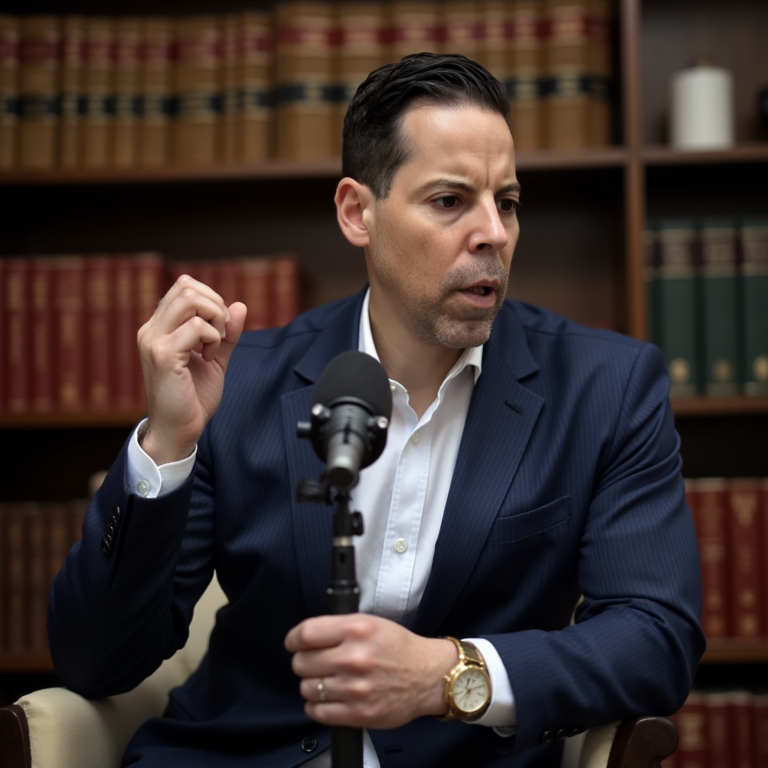
Gabriel Sandoval, Esq.
Owner
GS LAW, APC
Gabriel Sandoval is an immigration attorney with more than 10 years of experience helping individuals and families obtain legal permanent residence in the United States
Questions About the Fiancé Visa?
We’re here to help you understand your options and build the strongest case possible