Adjustment of status is changing in 2026. Family-based I-485 cases...
Read MoreIMMIGRATION LAW / RESOURCE GUIDE
The I-751 Removal of Conditions Guide
Eligibility, Forms, and the Process
A practical guide to understanding who may qualify, what may create problems, and what happens during the application process.
Written and legally reviewed by:
Gabriel Sandoval, Attorney at Law
GS LAW, APC
Last reviewed: August 2, 2026
Disclaimer: This guide is provided for general informational purposes only and does not constitute legal advice. Immigration laws and policies change frequently. For advice about your specific situation, consult a qualified immigration attorney.
90-Day Filing Window
Joint or Waiver Filing
Remain an LPR While Pending
Naturalization May Still Be Possible
IN THIS GUIDE
Our Recent Immigration Law Articles

Fiancé Visa Versus Marriage Visa: Which One is Right for You?
Deciding between a fiancé visa (K-1) and a marriage visa...
Read More
DACA Renewal: Act Now Before Policies Change
Don’t wait to renew your DACA. With potential policy changes...
Read More1. What Is Form I-751?
Form I-751, Petition to Remove Conditions on Residence, is used by certain conditional permanent residents who obtained their status through marriage. A marriage-based conditional resident receives permanent resident status for only two years. Before those conditions can be removed, USCIS must determine whether the requirements for permanent residence continue to be satisfied.
If USCIS approves the I-751 petition, the conditions are removed and the applicant becomes a permanent resident without conditions. USCIS may then issue a Green Card valid for 10 years.
Form I-751 is different from Form I-90, which is generally used to replace or renew a regular Permanent Resident Card. A person who remains a conditional permanent resident cannot simply use Form I-90 to avoid the I-751 process.
2. When Must Form I-751 Be Filed?
The 90-Day Filing Window
When a conditional resident is filing Form I-751 jointly with the spouse through whom permanent residence was obtained, the petition generally must be filed during the 90-day period immediately before the conditional residence expires.
The expiration date printed on the conditional Green Card is therefore extremely important. Applicants should identify their filing window well in advance and begin collecting evidence before that window opens.
A joint petition generally should not be filed more than 90 days before the expiration of conditional residence because USCIS may reject a petition filed too early.
Do Not Wait Until the Last Minute
A strong I-751 petition can require a significant amount of documentation covering the couple’s life together. Waiting until the Green Card is about to expire can create unnecessary problems, particularly if records must be obtained from banks, landlords, insurance companies, tax agencies, or other third parties.
Ideally, preparation should begin well before the 90-day filing window opens.
What If You Miss the 90-Day Filing Window?
Missing the filing deadline should be taken seriously. Failure to timely file can place conditional permanent resident status at risk and may ultimately result in removal proceedings.
However, USCIS may accept a late jointly filed I-751 where the applicant establishes good cause and extenuating circumstances for failing to file on time. A late petition should therefore contain a clear explanation addressing why the petition was not timely filed and, when appropriate, documentation supporting that explanation.
Missed Your I-751 Deadline?
Do not assume that your case is over simply because your conditional Green Card has expired. Late filing may still be possible, but the reason for the delay and the procedural posture of the case can be extremely important.
Call to Schedule a Consultation3. Eligibility
Who Is Eligible to File Form I-751?
Form I-751 is generally filed by a conditional permanent resident who obtained permanent residence through marriage and now needs to remove the conditions on that residence. Marriage-based permanent residence is conditional when the marriage was less than two years old on the date permanent resident status was granted.
How the I-751 is filed depends largely on what has happened since conditional permanent residence was granted. Some applicants file together with the spouse through whom they obtained permanent residence, while others may be permitted to file without that spouse under circumstances recognized by immigration law.

Joint Filing
If the marriage is continuing and both spouses are able to participate, the conditional permanent resident and the petitioning spouse generally file Form I-751 together. USCIS will examine whether the marriage was entered into in good faith and whether the requirements for removal of conditions have been satisfied.
Waiver Filing
In certain circumstances, a conditional permanent resident may file Form I-751 without the participation of the petitioning spouse. This may include cases involving divorce or annulment, the death of the petitioning spouse, battery or extreme cruelty, or circumstances in which termination of permanent resident status would result in extreme hardship.
The Correct Filing Basis Matters
Choosing the correct filing basis is important. A joint petition and a petition filed without the spouse involve different requirements and may require different supporting evidence. The fact that a couple has separated, divorced, or experienced other problems during the marriage does not automatically mean that the conditional resident is ineligible to remove the conditions on permanent residence.
4. Joint Filing
The most common way to remove the conditions on permanent residence is for the conditional permanent resident and the spouse through whom residence was obtained to file Form I-751 together. A joint petition is generally appropriate when the marriage is continuing and both spouses are willing to participate in the removal-of-conditions process.
What Does USCIS Look For?
The fact that the couple is still legally married is not, by itself, enough. USCIS must determine that the marriage was entered into in good faith and not for the purpose of obtaining an immigration benefit.
For that reason, an I-751 joint petition should demonstrate how the couple has built a life together since permanent residence was granted. The supporting evidence will often cover finances, residence, insurance, family life, travel, photographs, and other records showing an ongoing marital relationship.
We discuss these documents in greater detail in the Evidence section below.
What If the Couple Is Separated?
A separation does not necessarily prevent a couple from filing jointly. If the spouses remain legally married and both are willing to participate, a joint filing may still be possible. However, USCIS may examine the circumstances of the separation and the history of the marriage more closely.
Key Point
Joint filing is about more than simply remaining legally married. The applicant must still demonstrate that the marriage was entered into in good faith and that the couple intended to build a genuine life together.
5. Waiver Filing
Not every conditional resident is able to file Form I-751 together with the petitioning spouse. Immigration law allows certain applicants to request removal of conditions without the spouse’s participation when specific circumstances apply.
This is commonly referred to as an I-751 waiver filing.
When Can the Joint Filing Requirement Be Waived?
A conditional permanent resident may potentially qualify for a waiver where:
The marriage ended in divorce or annulment
The marriage was entered into in good faith but was later legally terminated.
Battery or extreme cruelty occurred
The applicant entered the marriage in good faith but was subjected to battery or extreme cruelty by the petitioning spouse.
Removal would result in extreme hardship
Termination of permanent resident status and removal from the United States would result in extreme hardship to the conditional resident.
What If the Petitioning Spouse Died?
A conditional resident may also file Form I-751 individually when the petitioning spouse has died. USCIS technically treats this as an individual filing request rather than one of the statutory waiver grounds, but the applicant may proceed without the deceased spouse’s participation.
Key Point
Divorce does not automatically mean losing your Green Card. If the marriage was entered into in good faith, the conditional resident may still qualify to have the conditions removed.
6. Children
Can Children Be Included on Form I-751?
A conditional permanent resident child may sometimes be included on a parent’s Form I-751 rather than filing a separate petition.
A child may generally be included on the parent’s petition if the child obtained conditional permanent resident status on the same day as the parent or within 90 days after the parent.
When Does a Child Need a Separate I-751?
A child generally must file a separate Form I-751 if the child obtained conditional permanent resident status more than 90 days after the parent. A separate petition may also be necessary when other circumstances prevent the child from being included on the parent’s petition.
The child’s date of admission or adjustment to conditional permanent resident status should therefore be reviewed carefully before determining whether the child can be included with the parent.
Key Point
Whether a child can be included on a parent’s I-751 depends primarily on when the child obtained conditional permanent resident status, not simply on the child’s age.
7. Evidence
Proving a Bona Fide Marriage
Evidence is one of the most important parts of an I-751 petition. USCIS is examining whether the marriage that resulted in conditional permanent residence was genuine and was not entered into primarily to obtain an immigration benefit.
The strongest petitions generally contain documentation covering the couple’s relationship throughout the marriage, rather than only documents created shortly before filing. The evidence should help demonstrate that the spouses actually combined their lives as a married couple.
Key Point
There is no single document that proves a bona fide marriage. USCIS considers the evidence as a whole, which is why a well-prepared petition should provide a consistent picture of the relationship over time.
Examples of Supporting Evidence to Form I-751
Financial Evidence
Examples may include:
- Joint federal and state tax returns or tax transcripts;
- Joint checking and savings accounts;
- Joint credit cards;
- Joint loans or other financial obligations;
- Retirement or investment accounts naming the spouse as beneficiary; and
- Records showing significant purchases made together.
Evidence of Living Together
Evidence that the spouses established a shared residence may include:
- Joint leases;
- Mortgage statements or deeds;
- Utility bills;
- Driver’s licenses or identification showing the same address; and
- Mail or other records addressed to the spouses at the same residence.
Insurance and Benefits
Applicants may also submit:
- Health insurance;
- Life insurance;
- Automobile insurance;
- Homeowners or renters insurance; and
- Employment benefits identifying the spouse as a beneficiary or dependent.
Children and Family Life
Where applicable, evidence may include:
- Birth certificates of children born to the marriage;
- School or medical records identifying both parents;
- Records showing shared responsibility for children; and
- Photographs of the spouses with their children and extended family.
Photographs, Travel, and Other Evidence
Photographs taken throughout the relationship, travel records, airline tickets, hotel reservations, correspondence, holiday records, and other documentation may also help demonstrate the history and continuing nature of the marriage.
Affidavits From Friends and Family
Statements from relatives, friends, neighbors, or others with personal knowledge of the marriage may also be submitted.
Affidavits can be useful, but they are generally strongest when they supplement objective documentary evidence demonstrating the couple’s shared life.
Evidence in Waiver Cases
Applicants filing without their spouse may need additional evidence depending on the particular filing basis. For example, a divorce-based filing will generally require evidence of the termination of the marriage, while an abuse or extreme-hardship case will require evidence addressing those circumstances.
8. Process
Step 1 — File Form I-751
Submit Form I-751 with the required filing fee and supporting evidence showing that the marriage was entered into in good faith. A complete filing should include strong documentation of the couple’s shared life together.
Step 2 — Receipt Notice
USCIS will issue a receipt notice confirming that the petition has been accepted for processing. The notice also extends the conditional resident’s status while the I-751 remains pending.
Step 3 — Biometrics
USCIS may schedule the conditional resident for a biometrics appointment to collect fingerprints, photographs, and other identifying information. In some cases, USCIS may reuse biometrics already on file.
Step 4 — Request for Evidence
If USCIS determines that additional documentation is needed, it may issue a Request for Evidence (RFE). The response must be submitted by the deadline and should directly address each item requested by USCIS.
Step 5 — Interview, If Required
USCIS may schedule an interview to review the petition and ask questions about the marriage and supporting evidence. Not every I-751 case requires an interview, and USCIS may waive the interview in appropriate cases.
Step 6 — USCIS Decision
After reviewing the petition, supporting evidence, and any interview or RFE response, USCIS will issue a decision. If approved, the conditions on permanent residence are removed and the resident becomes a lawful permanent resident without conditions.
9. Travel & Work
What Happens When the Conditional Green Card Expires?
It is common for the physical two-year Green Card to expire while Form I-751 remains pending.
When the I-751 was properly filed, expiration of the card does not by itself mean that the applicant has lost permanent resident status. USCIS states that a conditional permanent resident generally remains in lawful status while the petition is pending.
Keep the Green Card and Receipt Notice Together
Applicants should safeguard both:
- The expired or expiring Conditional Green Card; and
- The Form I-751 Receipt Notice.
The receipt notice, when presented with the conditional Green Card, serves as evidence of continued conditional permanent resident status for the extension period stated in the notice.
Employment
The expired Green Card together with the I-751 receipt notice may be used as evidence of continued permanent resident status and employment authorization during the extension period.
For this reason, applicants should keep both documents readily available, particularly when completing employment-verification requirements or beginning new employment.
International Travel
A pending I-751 does not, by itself, prevent temporary international travel.
USCIS provides that the receipt notice, together with the expired conditional Green Card, may be used as evidence of authorization to return to the United States following temporary foreign travel during the applicable extension period.
What If the Extension Period Expires?
If both the Green Card and the extension period provided by the receipt notice have expired—or if the applicant needs additional evidence of status—USCIS permits the conditional resident to request temporary documentation of permanent resident status for travel, employment, or other purposes.
Key Point
Your physical Green Card may expire while the I-751 is pending. Keep your expired Green Card and USCIS receipt notice together, as the two documents may be needed to demonstrate continuing permanent resident status for employment and international travel.
10. Frequently Asked Questions
Form I-751 raises many practical questions about marriage, divorce, processing delays, interviews, expired Green Cards, and what happens while the petition remains pending. The answers below address some of the most common questions conditional permanent residents have about removing the conditions on their residence and maintaining permanent resident status during the process.
Can I apply for naturalization while my I-751 is still pending?
Yes, if you are otherwise eligible for naturalization. A pending I-751 does not necessarily prevent you from filing Form N-400. However, USCIS generally must approve the I-751 before, or at the same time as, the naturalization application. Time spent as a conditional permanent resident counts toward the residence period required for naturalization.
What happens if my spouse refuses to sign Form I-751?
A spouse’s refusal to sign does not, by itself, create a separate basis for filing Form I-751 alone. If joint filing is no longer possible, the conditional resident must determine whether another filing basis is available, such as divorce or annulment, battery or extreme cruelty, extreme hardship, or an individual filing following the petitioning spouse’s death.
What happens if we separate after filing Form I-751 jointly?
Separation does not automatically invalidate a jointly filed I-751 if the couple remains legally married. However, USCIS may examine the circumstances of the separation when determining whether the marriage was entered into in good faith. If the marriage later ends in divorce before USCIS decides the case, the filing basis may need to be changed.
What happens if we divorce while our joint I-751 is pending?
If the marriage ends in divorce while a jointly filed I-751 remains pending, the conditional resident may potentially request that USCIS consider the case under the good-faith-marriage divorce waiver instead. The applicant will need to provide the final divorce judgment and establish that the marriage was entered into in good faith even though it later ended.
Can I change a jointly filed I-751 to a waiver case?
Yes, depending on the circumstances. If facts arise that make the applicant eligible for a waiver—such as a final divorce—the applicant may ask USCIS to consider the pending I-751 under the appropriate waiver ground and submit evidence establishing eligibility for that ground. The change should be brought to USCIS’s attention rather than allowing the agency to adjudicate the petition based on outdated circumstances.
What if my divorce is not final when I need to file Form I-751?
This can create a timing issue because a waiver based on termination of the marriage generally requires the marriage to have actually ended. If the filing deadline is approaching while divorce proceedings remain pending, the applicant should not simply ignore the I-751 requirement. The appropriate strategy will depend on whether joint filing remains possible and whether another waiver basis applies.
Do I have to attend an I-751 interview?
Not necessarily. USCIS may waive the interview in appropriate cases, but it may also require an interview before deciding the petition. If USCIS schedules an interview, the applicant—and the petitioning spouse in a joint case—must generally appear as directed. Failure to appear can result in termination of conditional permanent resident status.
Can USCIS interview my spouse and me separately during the I-751 interview
Yes. USCIS may question spouses separately when it believes additional examination of the marriage is necessary. Separate questioning may focus on the couple’s relationship history, residence, finances, daily life, and other details relevant to determining whether the marriage was genuine.
What happens if my I-751 has been pending for a long time?
A long processing time does not, by itself, mean that there is a problem with the case. A conditional permanent resident generally remains in lawful status while a properly filed I-751 is pending. The receipt notice extends evidence of conditional permanent resident status for the period stated in the notice.
How do I prove that I am still a permanent resident after my two-year Green Card expires?
A properly filed I-751 receipt notice, when presented together with the expired conditional Green Card, serves as evidence of continued conditional permanent resident status for the extension period stated in the notice. These documents can also be used as evidence of employment authorization and authorization to return to the United States after temporary foreign travel.
What happens if USCIS sends me a Request for Evidence?
A Request for Evidence, or RFE, means USCIS believes additional information or documentation is needed before it can decide the petition. An RFE does not automatically mean the case will be denied. The response should address every issue raised by USCIS and must be submitted by the deadline contained in the notice.
What happens if USCIS denies my I-751?
An I-751 denial is serious. USCIS terminates conditional permanent resident status as of the date of the written denial and generally issues a Notice to Appear placing the applicant into removal proceedings. The applicant may then seek review of the I-751 determination before an immigration judge.
Can I file more than one I-751 waiver ground at the same time?
Potentially, yes. An applicant may rely on more than one applicable waiver ground when the facts support them. Each claimed ground should be supported independently with the evidence necessary to establish eligibility. For example, circumstances involving both a terminated good-faith marriage and battery or extreme cruelty may present more than one possible basis for relief.
Does getting remarried affect my pending I-751?
Remarriage does not erase the requirement to establish eligibility based on the prior marriage that resulted in conditional residence. If the original marriage ended in divorce, USCIS will still focus on whether that marriage was entered into in good faith. A new marriage does not substitute for proving the bona fides of the original marriage.
What happens if I move while my I-751 is pending?
You should promptly update your address with USCIS. Most noncitizens are required to report a change of address within 10 days of moving, and applicants with pending cases should make sure the change is applied to the appropriate receipt numbers so that notices, RFEs, interview appointments, and other correspondence are sent to the correct address.
Can USCIS still question whether my marriage was genuine even if my original marriage-based Green Card was approved?
Yes. That is one of the central purposes of the I-751 process. Approval of the original marriage-based case does not prevent USCIS from examining the bona fides of the marriage again when deciding whether to remove conditions. USCIS may also revisit the underlying marriage in later immigration proceedings, including naturalization, if questions arise concerning whether the marriage was genuine.
What if we do not have many joint financial documents?
A lack of extensive joint financial documentation does not automatically mean an I-751 will be denied. USCIS considers the evidence as a whole. Applicants may use other evidence showing a genuine shared life, including leases, insurance, children’s records, photographs, travel records, correspondence, affidavits, and explanations for why particular joint documents do not exist. The important issue is whether the total evidence demonstrates that the marriage was entered into in good faith.
Can I file Form I-751 after my conditional Green Card has already expired?
Possibly. A late jointly filed I-751 may be accepted if the applicant establishes good cause and extenuating circumstances for failing to file on time. However, failure to timely file can result in termination of conditional resident status and issuance of a Notice to Appear, so a late filing should include a clear explanation and supporting evidence addressing the delay.
11. Do You Need an Attorney?
An I-751 petition can appear straightforward, but the case becomes significantly more complicated when there are questions about the marriage, insufficient documentation, divorce or separation, a spouse who will not cooperate, or problems that arise while the petition is pending. Because USCIS is determining whether the conditions on permanent residence should be removed, both the filing basis and the evidence submitted with the petition can be extremely important. USCIS also permits attorneys and accredited representatives to appear on behalf of applicants through Form G-28.
When Should You Consider Speaking With an Attorney?
Legal assistance may be particularly helpful when:
- You are separated from your spouse;
- You are divorced or your divorce is still pending;
- Your spouse refuses to sign or participate in the I-751;
- You need to change a joint petition to a waiver filing;
- You are requesting a waiver based on battery or extreme cruelty;
- You are requesting a waiver based on extreme hardship;
- You do not have substantial joint financial or residential evidence;
- Your I-751 is being filed after the deadline;
- There are inconsistencies between the I-751 and prior immigration filings;
- You or your spouse have a complicated immigration or criminal history;
- USCIS has issued a Request for Evidence or Notice of Intent to Deny;
- USCIS has scheduled you for an I-751 interview;
- USCIS has denied the I-751; or
- You have been placed into removal proceedings.
The appropriate strategy can be especially important in cases involving waiver eligibility or a change in circumstances after the I-751 was originally filed. USCIS separately adjudicates the available I-751 filing and waiver grounds based on the applicant’s particular circumstances.
How Can an Immigration Attorney Help?
An immigration attorney can review the history of the marriage and the applicant’s prior immigration filings, determine the appropriate basis for filing Form I-751, identify weaknesses or missing evidence, and help organize documentation showing that the marriage was entered into in good faith.
An attorney can also help address more complicated situations, including divorce, separation, waiver eligibility, late filings, limited evidence, Requests for Evidence, interviews, and changes that occur while the petition is pending. Where appropriate, counsel can prepare legal arguments and supporting documentation explaining why the applicant remains eligible to have the conditions on permanent residence removed.
If USCIS questions or denies the petition, an attorney can evaluate the reasons given by the agency, explain the available options, and address the consequences of a denial, including any related removal proceedings. No attorney can guarantee that USCIS will approve an I-751 petition, but legal representation can help ensure that the case is presented accurately, consistently, and with the strongest evidence available under the facts and the law.
About the Author
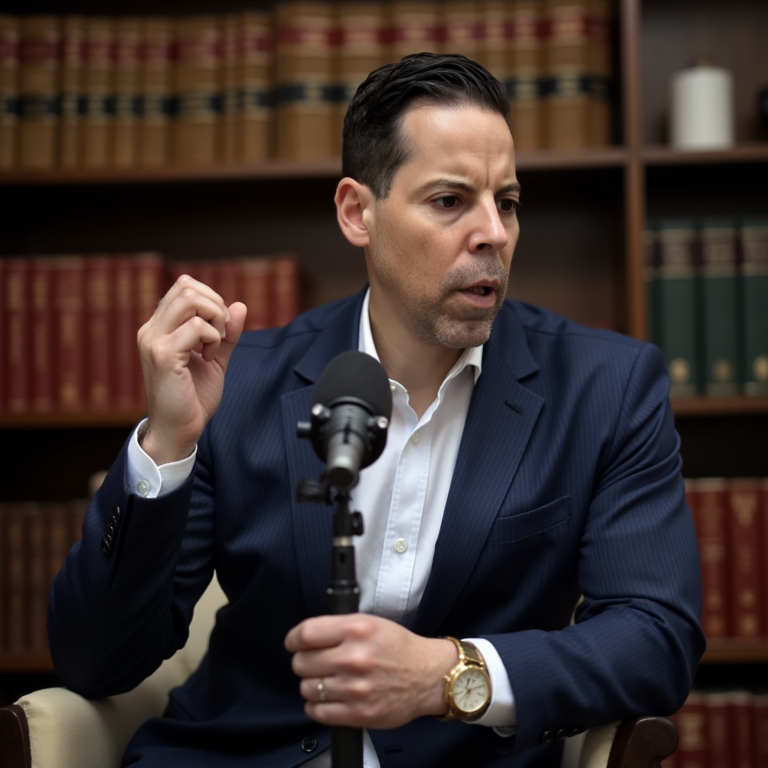
Gabriel Sandoval, Esq.
Owner
GS LAW, APC
Gabriel Sandoval is an immigration attorney with more than 10 years of experience helping individuals and families obtain legal permanent residence in the United States
Questions About Removing Conditions on Residence?
We’re here to help you understand your options and build the strongest case possible