EMPLOYMENT LAW RESOURCES

California Wage and Hour Law Guides

Clear, practical information about your rights under California wage and hour laws. Explore our guides to understand the rules-and what to do if they are violated.

Written and legally reviewed by:

Gabriel Sandoval, Attorney at Law

GS LAW, APC

Last reviewed: August 11, 2026

Disclaimer: These guides are provided for general informational purposes only and do not constitute legal advice.

Your Right to Be Paid

California law guarantees timely, accurate payment for all hours worked.

Proper Classification

Employees are entitled to the correct classification and all legal protections.

Recover Unpaid Wages

You can recover unpaid wages, penalties, and damages when laws are violated

Explore Our California Wage and Hour Guides

California Minimum Wage and Payday Guide

Understand California minimum-wage requirements, regular payday rules, payroll records, and accurate wage statements.

Read Guide →

California Overtime Laws
Guide

Understand overtime rules, daily overtime, seventh-day overtime, and applicable rates.

Read Guide →

California Meal and Rest Break Guide

Learn your rights to meal periods and rest breaks and when premiums apply.

Read Guide →

California Independent Contractor Misclassification Guide

Know the tests used to determine employment status and your rights if you are misclassified.

Read Guide →

California Exempt Employee Misclassification Guide

Understand exemption rules and common reasons employees are misclassified as exempt.

Read Guide →

California Off-the-Clock Work Guide​

Learn about recording all hours worked and your rights to be compensated.

Read Guide →

Unpaid Wages, Penalties & Damages

Explore the types of compensation and penalties available under California law.


Read Guide →

Common Wage-and-Hour Violations

How Wage-and-Hour Claims Arise

1

Employer Pay Practice

An employer adopts or allows pay practice that violates California wage and hour laws.

2

Unpaid Compensation

Employees are underpaid or not paid for all hours worked and benefits to which they are entitled.

3

Employee Pursues a Claim

The employee seeks unpaid wages, penalties, and damages through a claim or legal action.

Frequently Asked Questions

How do I know whether my employer owes me unpaid wages?
Your employer may owe you unpaid wages if you were not paid for all hours worked, received less than the applicable minimum wage, worked overtime without proper overtime pay, performed work before clocking in or after clocking out, or worked during unpaid meal periods. Other warning signs include unpaid commissions or bonuses, unlawful paycheck deductions, unreimbursed business expenses, inaccurate wage statements, and failure to receive all wages when your employment ended. Your work schedule, actual duties, pay records, time records, and the employer’s day-to-day practices must be reviewed to determine what compensation may be owed.
Yes. Receiving a salary does not automatically make an employee exempt from overtime. To qualify for many California overtime exemptions, an employee must satisfy both a minimum compensation requirement and a duties test applicable to the particular exemption. Job titles such as “manager,” “supervisor,” or “administrator” do not determine exempt status. A salaried employee who primarily performs nonexempt work or lacks sufficient independent authority may still be entitled to overtime, meal and rest period premiums, and other unpaid wages.
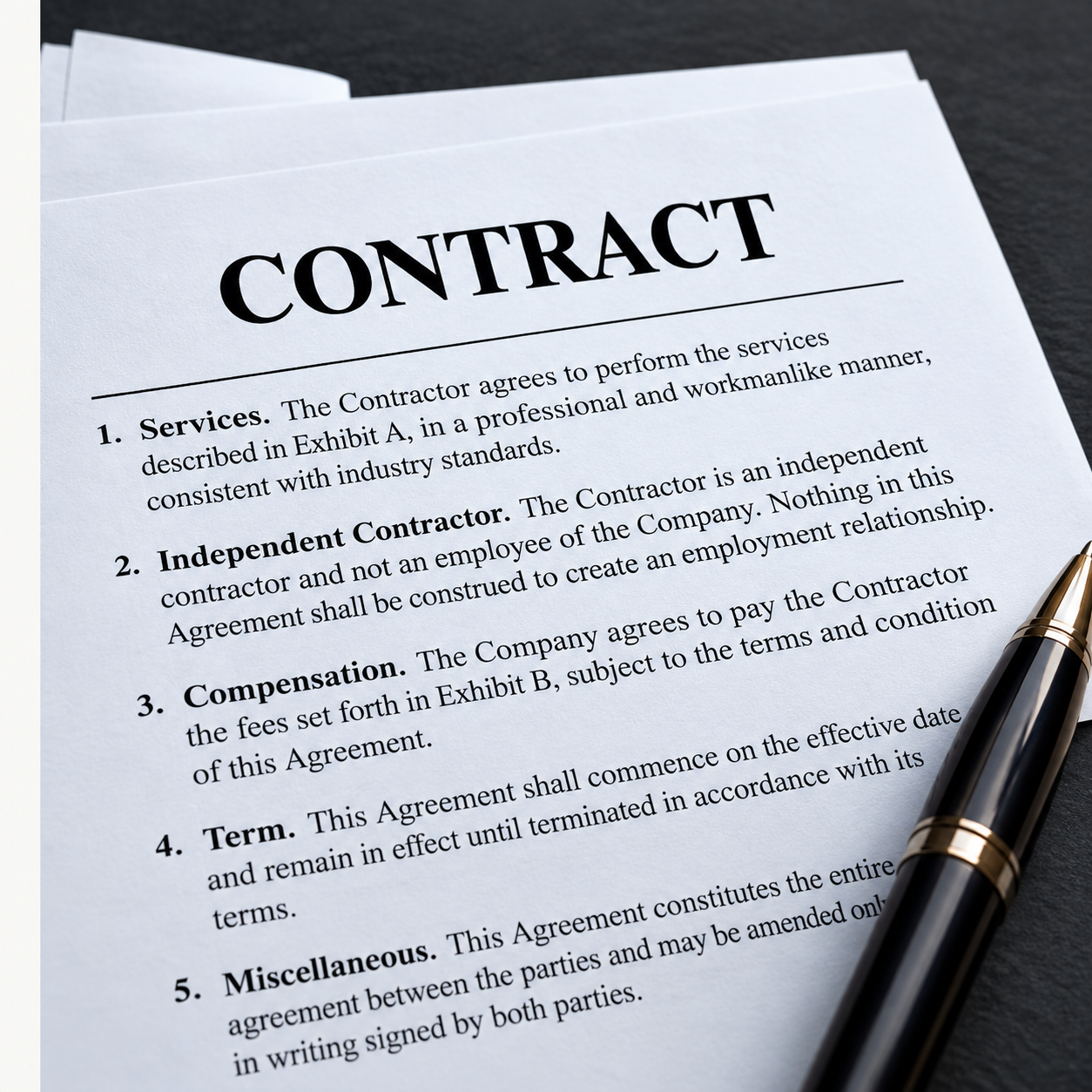
An employer may use the label “independent contractor,” but the label does not determine your legal status. A written contract, Form 1099, or agreement describing you as an independent contractor is not controlling. California generally presumes that a worker is an employee unless the hiring entity can satisfy the applicable legal test. Courts examine the actual working relationship, including the employer’s control, whether the work is part of the employer’s usual business, and whether the worker operates an independently established business. Misclassified workers may be entitled to unpaid wages, overtime, meal and rest period premiums, expense reimbursement, and other remedies.

The absence of personal time records does not necessarily prevent an employee from recovering unpaid wages. California employers are responsible for maintaining accurate time and payroll records for nonexempt employees. When those records are missing or inaccurate, an employee may use testimony and other evidence to establish the hours worked. Helpful evidence may include work schedules, text messages, emails, time-stamped photographs, computer records, phone logs, calendars, paystubs, and testimony from coworkers. An employee may also be able to provide a reasonable estimate based on a regular work schedule and the duties routinely performed.

An employer generally cannot require a nonexempt employee to perform work during an unpaid meal period. Employees who work more than five hours ordinarily must be provided an uninterrupted 30-minute meal period during which they are relieved of all duties and the employer relinquishes control over their activities. Limited waivers and lawful on-duty meal agreements may apply in certain circumstances. If the employer fails to provide a compliant meal period, the employee may be entitled to one additional hour of pay at the regular rate for that workday, as well as compensation for any time actually worked.

The time available to recover unpaid wages depends on the particular claims and the legal theory asserted. Many California claims for minimum wages, overtime, and meal or rest period premiums are generally subject to a three-year limitations period. In some cases, a claim seeking restitution under California’s unfair competition law may reach back four years, while certain statutory penalties may have shorter deadlines. Different deadlines can apply to contractual claims, retaliation claims, and administrative complaints. Because each unpaid pay period may affect the calculation, employees should not delay in seeking advice.
No. California law prohibits an employer from firing, demoting, suspending, threatening, reducing hours, or otherwise retaliating against an employee for making a good-faith complaint about unpaid wages or exercising protected workplace rights. The complaint may be made orally or in writing, and protection may apply whether the employee complains directly to the employer, contacts the Labor Commissioner, or participates in a wage proceeding. Depending on the circumstances, an employee who experiences retaliation may be entitled to reinstatement, lost wages, lost benefits, civil penalties, and other available relief.
No. An employee may file a wage claim directly with the California Labor Commissioner without hiring an attorney. However, legal representation may be helpful when the case involves disputed hours, employee misclassification, multiple wage violations, substantial unpaid compensation, retaliation, arbitration agreements, or a lawsuit in court. An employment attorney can identify all available claims, calculate potential wages and penalties, preserve evidence, evaluate filing deadlines, and determine the most appropriate way to pursue the matter.

Questions About Unpaid Wages?

Our office helps employees throughout California recover unpaid wages and hold employers accountable.